


Impacted, painful, or crowding your smile? Our Vista team removes wisdom teeth comfortably with sedation options for teens and adults — and we work with Delta Dental, Medi-Cal, Medicare, and PPO insurance so cost never gets in the way of relief.
We proudly accept Delta Dental, Medi-Cal, Medicare, and most PPO insurance plans — and we'll verify your benefits for free before you commit to anything.
Wisdom teeth, or third molars, are the last set of teeth to develop, usually breaking through the gums sometime between the late teenage years and the mid-twenties. The problem is that most modern jaws simply don't have enough room for them. When a wisdom tooth doesn't have a clear, straight path to erupt, it can come in sideways, get stuck partway through the gum line, or push against the roots of the molar next to it — what dentists call an impacted wisdom tooth, and one of the most common reasons adults in Vista end up needing oral surgery.
Even wisdom teeth that erupt fully aren't always in the clear. Because they sit so far back in the mouth, they're difficult to brush and floss properly, which makes them a hotspot for cavities, gum infections, and bad breath that won't go away no matter how well you clean the rest of your teeth. For many patients, removing wisdom teeth isn't just about relieving pain today — it's a preventive step that protects the rest of the smile for decades to come.

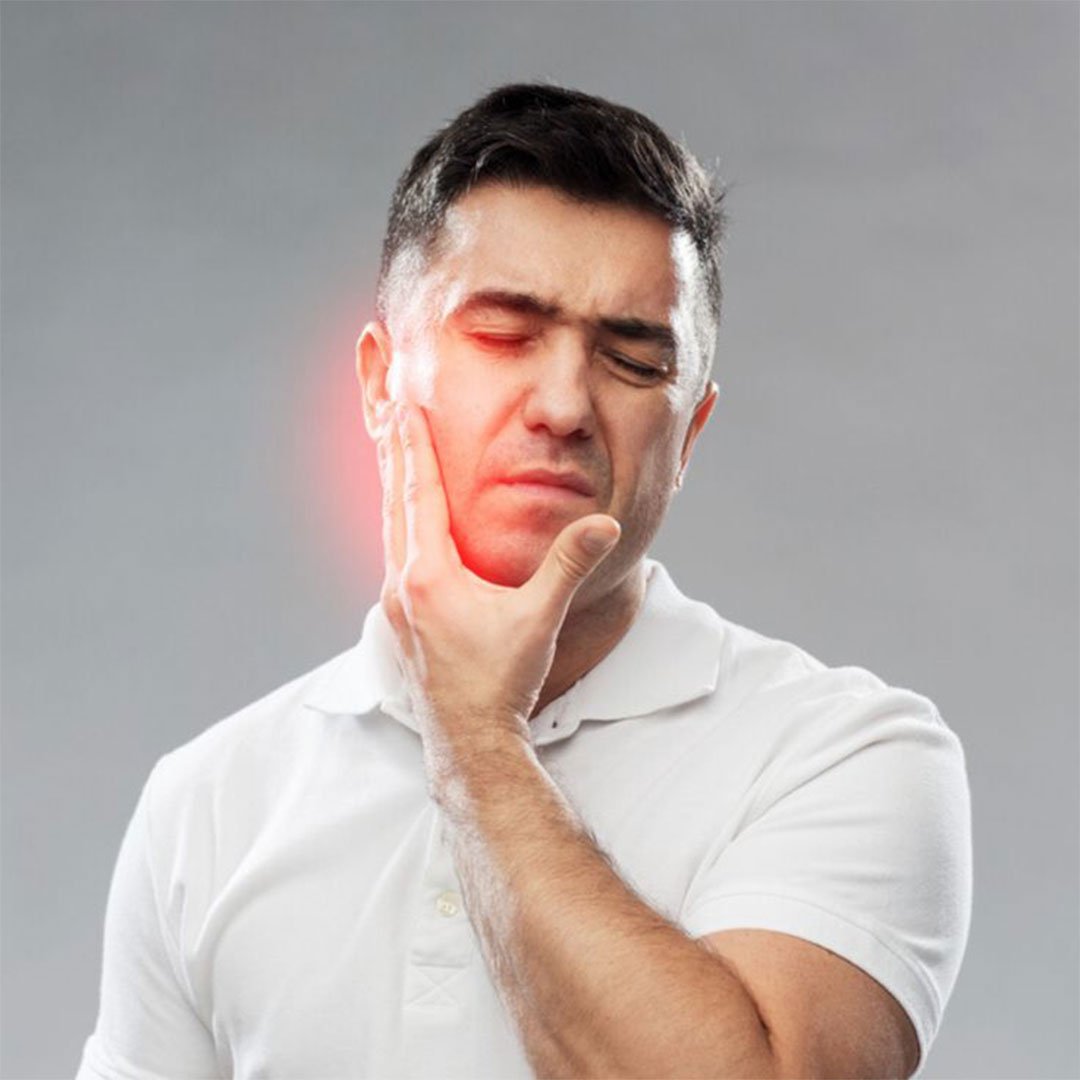
Not everyone's wisdom teeth cause obvious pain right away, which is exactly why so many people wait too long. Persistent soreness or pressure in the very back of the jaw, especially when chewing, is usually the first clue something's off. Swelling or tenderness in the gums behind your last molar — sometimes with a bad taste or smell — often points to an infection called pericoronitis, caused by food and bacteria trapped under a flap of gum tissue.
Some patients notice their back teeth feel like they're shifting or crowding, which can happen when an impacted wisdom tooth pushes sideways against the tooth in front of it. Jaw stiffness, difficulty opening your mouth fully, or a dull headache radiating from the jaw are also common — and are frequently mistaken for TMJ issues before an x-ray reveals the real cause. If any of this sounds familiar, it's worth getting an x-ray sooner rather than later, since impacted wisdom teeth rarely resolve on their own.

We know "oral surgery" can sound intimidating, so we built our process around clear communication at every step — no surprises, no rushed appointments.
We take a digital x-ray to see exactly how your wisdom teeth are positioned and walk you through what we see, in plain English.
We recommend the right anesthesia or sedation option for your case and comfort level, and explain what to expect on surgery day.
Most extractions are completed in a single visit, with a precise surgical approach used for impacted teeth when needed.
You'll leave with written aftercare instructions, our direct line for questions, and a follow-up visit if needed.
A lot of patients put off wisdom teeth removal for years simply because they're anxious about the procedure. We take that seriously. Depending on your case, anxiety level, and how many teeth need to come out, we offer a range of comfort options — from local anesthesia for simple extractions, to nitrous oxide for patients who want to stay relaxed and aware, up to deeper sedation for more involved or multiple-tooth extractions.
We'll talk through the options honestly, including what each one costs and what recovery looks like afterward, so you can choose what feels right rather than what's simply cheapest or fastest for us.
Recovery is usually far more manageable than patients expect, especially when you follow aftercare instructions closely. Most people experience some swelling and soreness for two to three days, well controlled with the pain management plan we send you home with. Sticking to soft foods — yogurt, mashed potatoes, smoothies (no straws), and soup — for the first several days helps the extraction site heal cleanly.
Light activity is fine, but we recommend avoiding strenuous exercise for about a week. Most patients are back to normal daily activities within three to five days, though full healing continues for several weeks in the background. Every patient goes home with our direct line, so if anything feels off, you can reach us instead of guessing.
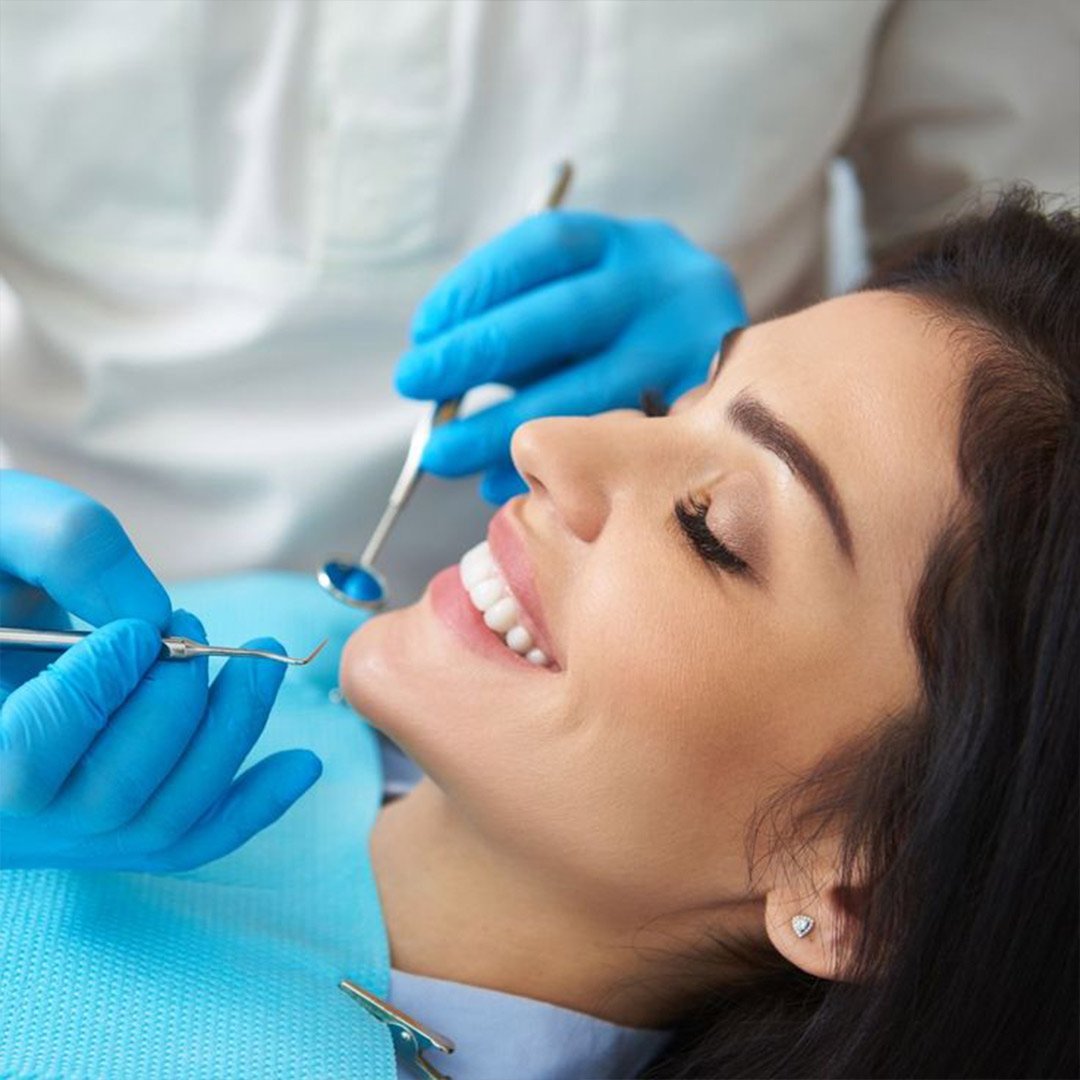
Delta Dental & PPO patients: We're in-network with major PPO plans, including Delta Dental, and verify your specific benefits before your procedure so you know your exact out-of-pocket cost in advance.
Medi-Cal patients: Wisdom teeth extractions, including many impacted cases, are frequently covered under Medi-Cal dental benefits for both adults and children. We check eligibility and explain what's covered at $0 out-of-pocket.
Medicare patients: Original Medicare typically doesn't cover routine oral surgery, but many Medicare Advantage plans do. Bring your plan details and we'll verify your coverage on the spot.
No insurance? We offer transparent self-pay pricing and payment options, discussed upfront.

Get a free consultation and digital x-ray, find out exactly what your Delta Dental, Medi-Cal, Medicare, or PPO plan covers, and get a clear treatment plan — no pressure, no surprise bills.